
easyhouseworkЕкологічна колекція
Home/News & Trends

News & Trends

Small details.
Useful perspectives.

Cleaning-tool insights and practical assortment ideas for retailers and household-product buyers.

Buyer notes · Published in English · Updated

A modern kitchen with everyday detail-cleaning areasKitchen & bathroom detail cleaning

Buyer insight ·

Evaluate the system—not the attachment count

A modular cleaning tool is useful when each head has a clear job, the connection holds up and replacement parts remain easy to identify.

By EasyHousework

Based on our buyer note dated .

A handle with several interchangeable cleaning heads can look like an efficient way to cover floors, glass, corners and dusting. The attachment count alone does not make it a practical system. Before adding a modular tool to an assortment, map the cleaning job assigned to every head and remove attachments that merely repeat the same function.

Start with the connection. Fit and remove each head several times, then use it with the pressure and movement expected in the intended task. Check for wobble, accidental release and awkward rotation. A connector that feels acceptable with a light duster may behave differently with a stiff bathroom brush, so review each attachment under its own use conditions.

Make the system understandable without a long explanation. Product codes, head names and use scenes should be easy for a buyer to record and for a customer to recognize. Clear identification matters when a retailer needs to reorder one component instead of replacing the full set. Confirm which heads are sold separately and whether the connection is shared across every variant being offered.

Review storage and packing as part of the design. Ask where unused heads rest, whether wet and dry attachments can be separated and whether the complete set can be packed without bending bristles or damaging joints. A compact system loses much of its value if the loose parts are difficult to store, display or keep organized.

Avoid treating more functions as an automatic environmental or labor-saving benefit. A reusable handle or replaceable head describes the product structure, but it does not prove a measured reduction in waste, time or cost. Explain the actual materials and replaceable components, then keep performance claims limited to what the exact samples and intended tasks support.

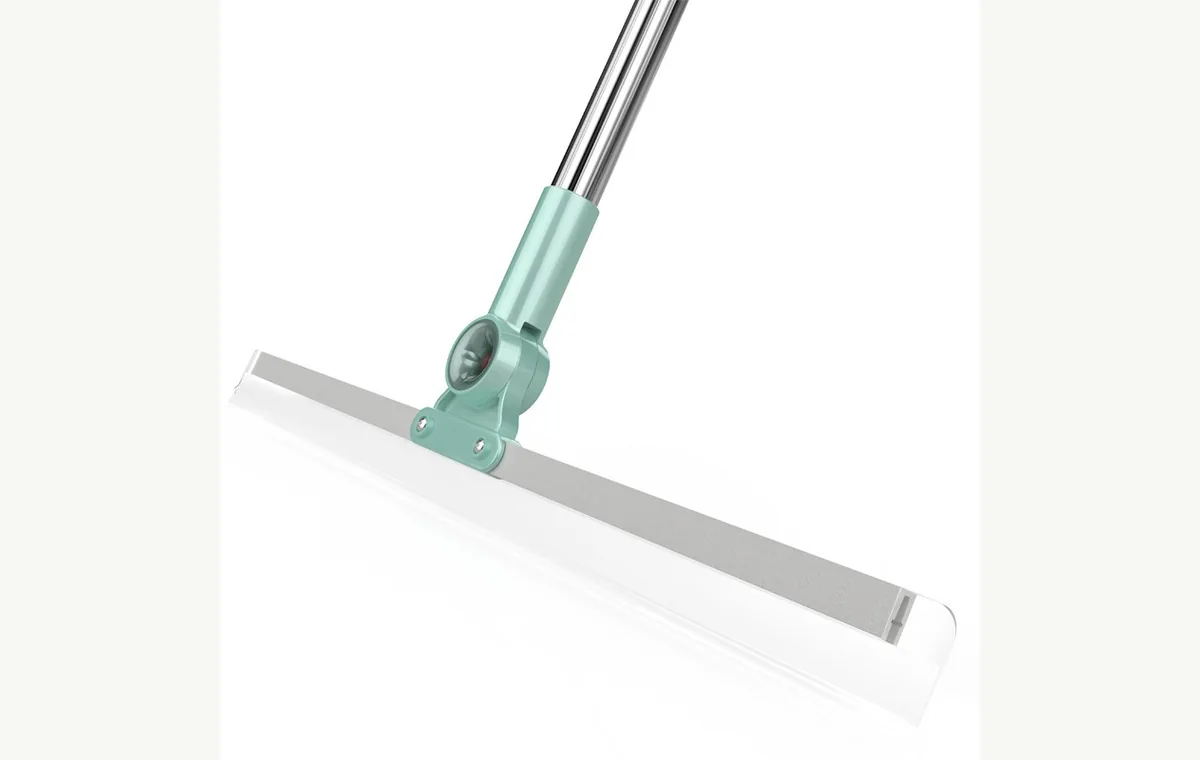
Modular systems also need a sensible assortment role. Compare them with focused products such as a combined floor broom and squeegee, a rotating glass squeegee or a replaceable-head brush. Some customers may value one coordinated system, while others may prefer dedicated tools for separate hygiene zones or heavier cleaning tasks.

EasyHousework helps buyers review mixed household-cleaning assortments and explore products for specific use scenes, with coordinated inspection, consolidation, packing and suitable international delivery.

modular cleaningreplaceable headsassortment planningbuyer checklist

From the journal

More buyer insights

Buyer insight ·

Choose the refill strategy before you choose the cleaning tool

Proprietary replacement heads and widely available cleaning cloths create different stocking, customer-support and reorder needs.

Read article

A cleaning tool is not only a first purchase. Pads, brush heads, cloths and other parts can shape what a retailer needs to stock and what an end customer needs to find later. Before adding a tool to an assortment, identify whether it uses a dedicated replacement, accepts a commonly available consumable or has no replaceable cleaning part.

A dedicated refill can make the product system easy to recognize and may give customers a consistent fit. It also creates responsibilities for the buyer: the replacement needs a clear product code, dependable availability and a simple explanation of which handle or tool it fits. Ask for samples of both the main tool and the replacement, then test the connection together.

A tool that works with a standard cloth can offer a different kind of flexibility. Buyers may not need to introduce another dedicated refill line, and customers may be able to use cleaning cloths they already understand. Compatibility still needs to be checked. Record the cloth dimensions and thickness the holder can accept, then test dry and wet cloths to see whether they remain secure during the intended task.

Do not decide from the refill label alone. Review the complete routine: attach the cleaning material, use the tool on its intended surface, remove the used material, rinse or dispose of it as appropriate, and store the tool. Check whether the release is controlled and whether the user's hands need to contact the used cleaning surface. Avoid calling a product hands-free unless the actual operation supports that description.

Replacement systems also need a clear reorder record. Keep the tool code, refill code, variant, material description and pack information together. If a replacement is marketed for several handles, verify each claimed fit rather than assuming that similar-looking connectors are interchangeable. Clear records reduce the risk of offering a refill that cannot be used with a customer's original tool.

Natural-material products benefit from the same discipline. A replaceable loofah head can let a customer keep a usable handle, but that feature should not be presented as proof of a specific environmental outcome. Explain the actual material and replaceable structure, provide product-specific care guidance and confirm that the matching head is currently available.

EasyHousework helps buyers compare mixed assortments across natural-fiber, kitchen, bathroom and detail-cleaning tools, with coordinated inspection, consolidation, packing and suitable international delivery.

Buyer insight ·

Look beyond unit price when building a cleaning-tool assortment

A useful comparison includes the cleaning task, product evidence, replenishment plan and delivery fit—not only the cost of one item.

Read article

Based on our buyer note dated .

Unit price matters, but it is only one part of a cleaning-tool decision. Two products that look similar in a quotation can create very different work for a buyer once samples, packaging, replacement parts, inspection and delivery are considered. A fair comparison starts with the complete purchasing requirement rather than the lowest number in one column.

Define the cleaning task first. Record the surface, the area the tool must reach, how it will be stored and what the customer should understand at a glance. A compact squeegee for shower glass, a grout brush for tile joints and a slim brush for a faucet base solve different problems. Clear roles make it easier to remove duplicate products from an assortment.

Compare like with like during sample review. Check dimensions, material description, grip, joints, cleaning-head fit and packaging. For a combined tool, assess each function separately. For a natural-fiber item, confirm the actual material and care instructions rather than treating a natural appearance as proof of performance, certification or environmental benefit.

Reordering is part of the product value. If a brush is described as replaceable-head, confirm that the correct refill can be identified and obtained separately. Record the product code and variant, and check whether the replacement fits the supplied handle. A refill feature is useful only when the buyer and end customer can access the right part later.

Review the order as a product mix. Complementary kitchen, bathroom and detail-cleaning items may be easier for a small buyer to test together than several near-identical versions of one tool. Confirm current availability, packing information and destination requirements before comparing private quotations. The practical question is whether the assortment can arrive in a form the buyer can receive, explain and restock.

Keep evidence proportional to the claim. Product dimensions, materials, care guidance and a clear use scene are usually more useful than broad statements such as professional grade, eco-friendly or time-saving without supporting information. When a certification, surface-safety claim or measured benefit is important, request the matching documentation for the exact item and variant.

EasyHousework helps buyers compare mixed selections across natural-fiber, kitchen, bathroom and detail-cleaning tools, with coordinated inspection, consolidation, packing and suitable international delivery.

Buyer insight ·

Build a practical cleaning-tool range for smaller business customers

A focused assortment starts with the jobs your customers do, the space they have and the items they need to reorder.

Read article

Based on our buyer note dated .

When a retailer or distributor serves a small cleaning business, a long product list is not necessarily the most useful starting point. A better conversation begins with the customer's regular jobs. Which surfaces do they clean, what fits in their transport or storage space, and which items are difficult to replace? The answers can shape a compact, understandable assortment without assuming every small business has the same needs.

Map a few distinct tasks before choosing products. A washroom range might cover tile joints, glass and standing water. A kitchen range might focus on dishware, bottle interiors and sink edges. Give each item a clear role and keep kitchen-use tools separate from toilet-care tools. Check surface suitability and dimensions rather than treating a household product as automatically suitable for every professional setting.

Make the natural-fiber collection an option customers can evaluate, not a blanket performance promise. A wood-pulp and loofah dish sponge or a bamboo-handle bottle brush can be considered for appropriate kitchen tasks. Ask customers to assess samples against their own surfaces and cleaning routine. Explain the actual materials and care requirements; do not infer certification, antimicrobial properties or a longer service life from a natural-material description.

Plan replenishment while selecting the initial range. Record a recognizable product code, the exact variant and any compatible replacement part. For a replaceable-head brush, confirm that the required head can be ordered separately and that it fits the handle supplied. A product described as replaceable is only practical for the customer if the right replacement is obtainable when needed.

Compare the proposed assortment with the customer's working conditions. Can the tools be carried and stored conveniently? Is the grip manageable during the intended task? Can staff identify which item belongs to each cleaning area? A short sample trial can reveal unnecessary overlap between products or a missing size before the buyer commits to a broader range.

Keep the offer easy to understand: a small set of complementary products, clear use guidance and a straightforward way to ask about restocking. Confirm current availability, packaging and delivery arrangements for the actual destination. Avoid promising a universal professional-use standard or guaranteed labor savings without supporting evidence.

EasyHousework helps buyers explore mixed orders across natural-fiber, kitchen and bathroom cleaning products, with coordinated inspection, consolidation, packing and suitable international delivery.

Buyer insight ·

Fewer steps, better choices: evaluating time-saving cleaning tools

Before adding another feature to your assortment, ask which part of the cleaning task it actually makes simpler.

Read article

In its September 9 article on real-time data, ISSA describes how connected equipment and sensors can help cleaning teams allocate resources and manage work more efficiently. That coverage concerns professional operations, not proof that a particular household tool saves time. Our takeaway for manual-tool buyers is a practical question: which unnecessary step could a better design remove?

Start with one clearly defined task, such as clearing water from a bathroom floor or cleaning a window track. Write down the sequence: collect the tools, prepare the surface, clean, switch tools if needed, and put everything away. Identify the awkward transition before choosing a product. A feature is useful only when it helps with the task your customer actually needs to complete.

Consider a combined brush-and-scraper or broom-and-squeegee design. It may keep two functions close at hand, but both need to work well. Check whether the head reaches the intended space, whether changing functions feels straightforward, and whether the grip remains comfortable. Do not assume that a two-in-one label guarantees a faster result or makes a dedicated tool unnecessary.

Run a fair sample comparison before making time-saving claims. Use the same surface, similar soil, the same required finish and the same user instructions. Record tool changes and the complete task time, including preparation and cleanup. Repeat the trial. Keep any claim specific to what was tested rather than promising a universal saving across kitchens, bathrooms and different users.

Bring the same scrutiny to natural-fiber cleaning. A dual-sided wood-pulp and loofah sponge offers two cleaning surfaces in one item; test whether those surfaces suit the intended cookware or dishware. For a replaceable-head loofah pot brush, check the connection and refill availability. Natural materials and replaceable parts are useful details to explain, but they do not by themselves establish an environmental benefit or a measured reduction in waste.

For a retail demonstration, show one task from start to finish and describe the specific design benefit. Avoid broad promises such as 'cleans everything' or 'cuts cleaning time in half' without suitable evidence. Clear dimensions, surface guidance and an honest demonstration give customers a more useful basis for choosing than a long feature list.

Explore EasyHousework's natural-fiber collection alongside task-specific kitchen and bathroom tools. The catalog includes dual-sided sponges, a replaceable-head loofah pot brush, a two-in-one floor squeegee broom and a window-track brush for mixed wholesale assortment planning.

Buyer insight ·

After the cleaning: what buyers should check before choosing a tool

Rinsing, drying, storage and replacement parts deserve a place in your product review, alongside cleaning performance.

Read article

A product demonstration usually ends when the surface looks clean. For the person using the tool, the job may continue: rinse the head, remove trapped debris, find somewhere to dry it and put it away. When reviewing a cleaning assortment, follow that whole routine before deciding which products to stock.

Start with a hands-on sample review. Check whether the cleaning head can be rinsed thoroughly, whether joints trap residue, and how the tool rests or hangs after use. For a holder or wall-mounted design, inspect drainage and access for cleaning the holder itself. Compare products under the same conditions rather than assuming a particular material always dries faster.

Replacement heads are another useful point to examine. Ask whether compatible refills are available, how clearly they are identified and whether users can remove and refit them securely. A replaceable part may allow someone to keep a serviceable handle, but only if the correct replacement remains obtainable. Confirm this before presenting a refill system to customers.

Apply the same care questions to natural-fiber products. For loofah, wood-pulp sponges and bamboo-handle brushes, request product-specific rinsing, drying and replacement guidance. Material choice alone does not establish a product's lifespan or environmental impact. Clear care instructions and an appropriate use scene help buyers explain the product without broad, unsupported claims.

For kitchen and bathroom ranges, consider a small comparison group: a replaceable-head pot brush, a dish sponge, a bathroom brush with a holder and a compact squeegee. Assess each for its intended task, then record what happens after use. Keep toilet-care tools separate from kitchen-use products in your demonstrations and care guidance.

EasyHousework's catalog includes natural-fiber cleaning options and replaceable-head designs for buyers to compare within a mixed wholesale assortment.

Buyer insight ·

Look closer at the places everyday cleaning tools miss

Window tracks, narrow gaps and awkward corners give retailers a practical starting point for a detail-cleaning assortment.

Read article

The next useful addition to a cleaning aisle may be a tool for a small, frustrating task. A window track holds dust, a faucet base collects residue, and a bottle neck can be difficult to reach with a standard brush. Each scene gives a buyer a concrete problem to solve.

For retailers and household-product buyers, organizing tools by cleaning task can make the range easier to explain. Consider grouping window-track brushes, flexible gap brushes, corner scrubbers and bottle brushes around the places customers need to clean. Compare the reach, head shape, grip and storage requirements of each tool before choosing a mix.

A useful assortment also needs clear boundaries. A tool suited to one surface or opening may not fit another. Check dimensions and intended use, then review samples when evaluating a new item. Products for dryer vents, radiators or under-furniture cleaning require their own fit and use checks; they are not interchangeable with every detail brush.

EasyHousework helps buyers build mixed orders across kitchen, bathroom and household cleaning scenes. Browse the related products below and compare tools for the cleaning task you want to solve, with coordinated inspection, packing and delivery.

Mixed wholesale · USD 200 per order

Build an assortment around everyday tasks

Use the catalog scenes and buyer notes to compare practical household-cleaning products for a mixed order.